The Main Water Balance and Sanitizer Levels That Keep Your Pool Safe
The key chemicals monitored during routine pool water testing are chlorine, pH, alkalinity, calcium hardness, and stabilizer. These levels show if your pool water is safe to swim in, clear to look at, and gentle on your equipment. When these chemicals are balanced, your pool stays clean and easy to manage. When they are off, problems show up fast.
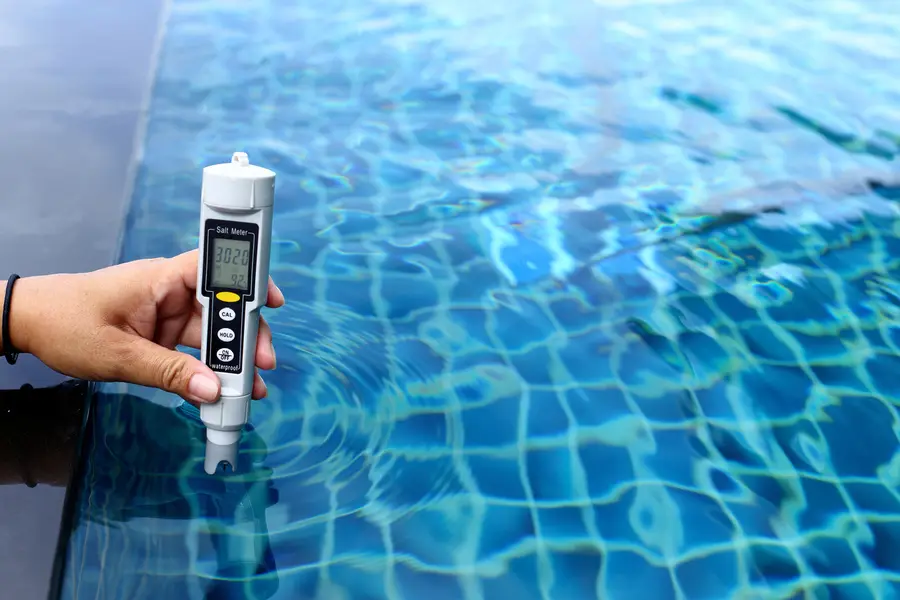
What You Need Before Starting
Before you begin pool water testing, gather a few basic tools. You want accurate results, so testing the right way matters.
- Liquid test kit or test strips
- A clean sample tube or container
- Fresh water sample from elbow depth
- Notebook or app to track results
Always take your water sample away from return jets. Do not skim water from the surface. Water near the top can give a false reading.
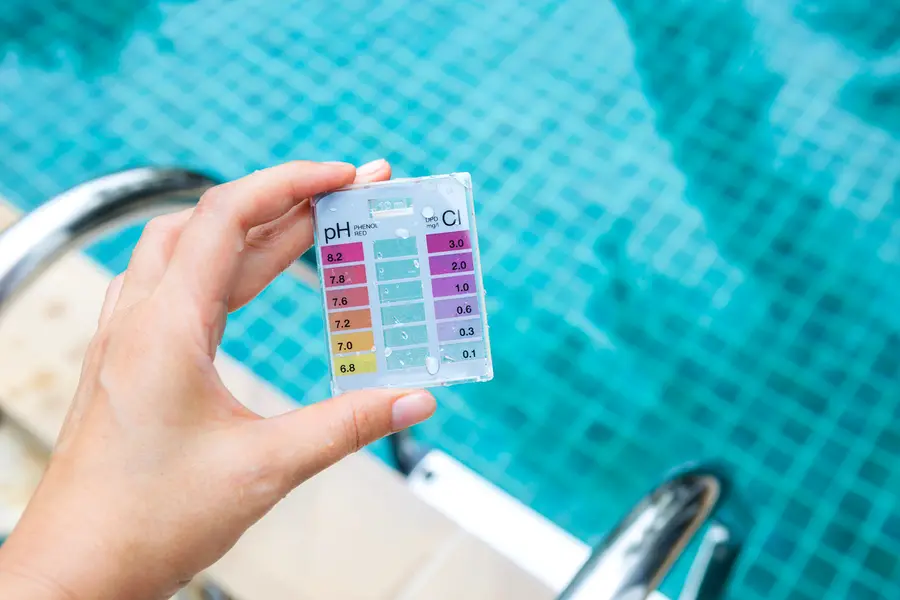
Step-by-Step Process for Checking Pool Water
Routine pool water testing follows a simple order. Testing in the same way each time helps you spot changes early.
- Test free chlorine to see if the water is sanitized.
- Check pH to measure how acidic or basic the water is.
- Measure total alkalinity to support pH balance.
- Test calcium hardness to protect plaster and equipment.
- Check stabilizer (cyanuric acid) to protect chlorine from sunlight.
Write down each result. Even small shifts can point to future issues. For example, if alkalinity drops week after week, your pH may start bouncing around soon.
Why Each Chemical Matters
Chlorine kills bacteria and algae. Low chlorine can lead to cloudy water or green patches. High chlorine can cause skin and eye irritation.
pH affects how well chlorine works. If pH is too high, chlorine loses strength. If pH is too low, water can damage liners, heaters, and other parts.
Total alkalinity acts like a buffer. It keeps pH from swinging up and down. When alkalinity is off, you may find yourself adding chemicals too often.
Calcium hardness protects pool surfaces. Low calcium can pull minerals from plaster. High calcium can cause scale on tiles and equipment.
Stabilizer helps chlorine last longer in sunny weather. Too little means chlorine burns off fast. Too much can slow chlorine down and reduce its cleaning power.
Common Mistakes to Avoid
Many pool owners run into the same problems during pool water testing.
- Testing at random times instead of the same day each week
- Adding chemicals before retesting
- Ignoring alkalinity while adjusting pH
- Using expired test strips
- Guessing chemical amounts instead of measuring
Another common mistake is adjusting several chemicals at once. This makes it hard to know what actually fixed the problem. Make one change at a time, then retest.
Best Practices for Long-Term Water Balance
Test your pool at least once a week during swim season. In hot months, test twice a week. Heavy rain or a pool party also calls for extra testing.
Keep your filter clean and running on a regular schedule. Good circulation helps chemicals move through the water evenly. Brush and vacuum the pool often so chlorine can reach every surface.
Store pool chemicals in a cool, dry place. Heat and moisture can weaken them. Always follow label directions and measure carefully.
If you ever feel unsure about readings or notice fast changes in water color, it may be time for expert help. Balanced water protects swimmers and extends the life of your investment.
When to Call a Professional Team
If your chlorine will not hold, your pH keeps drifting, or your water turns cloudy again and again, routine pool water testing at home may not be enough. Hidden issues like algae growth, phosphate buildup, or equipment problems can change your readings. A trained technician can run deeper tests and build a clear treatment plan.
Need Help Keeping Your Pool Balanced?
If you live in East Meadow, NY and want reliable water care, we can help. At M/W Squeaky Clean Pool Services LLC, we handle routine pool water testing, balancing, and ongoing maintenance so your pool stays clear and safe. Call us at (516) 289-8353 to schedule service or ask about regular visits from our team.